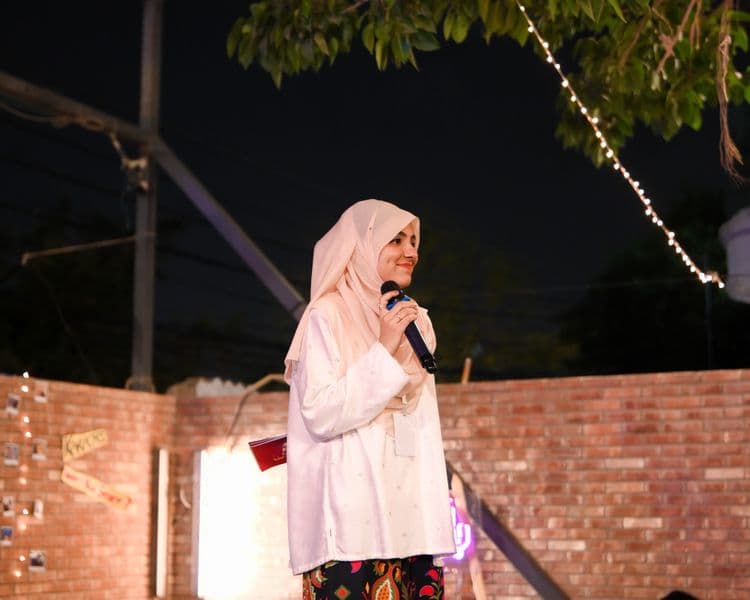
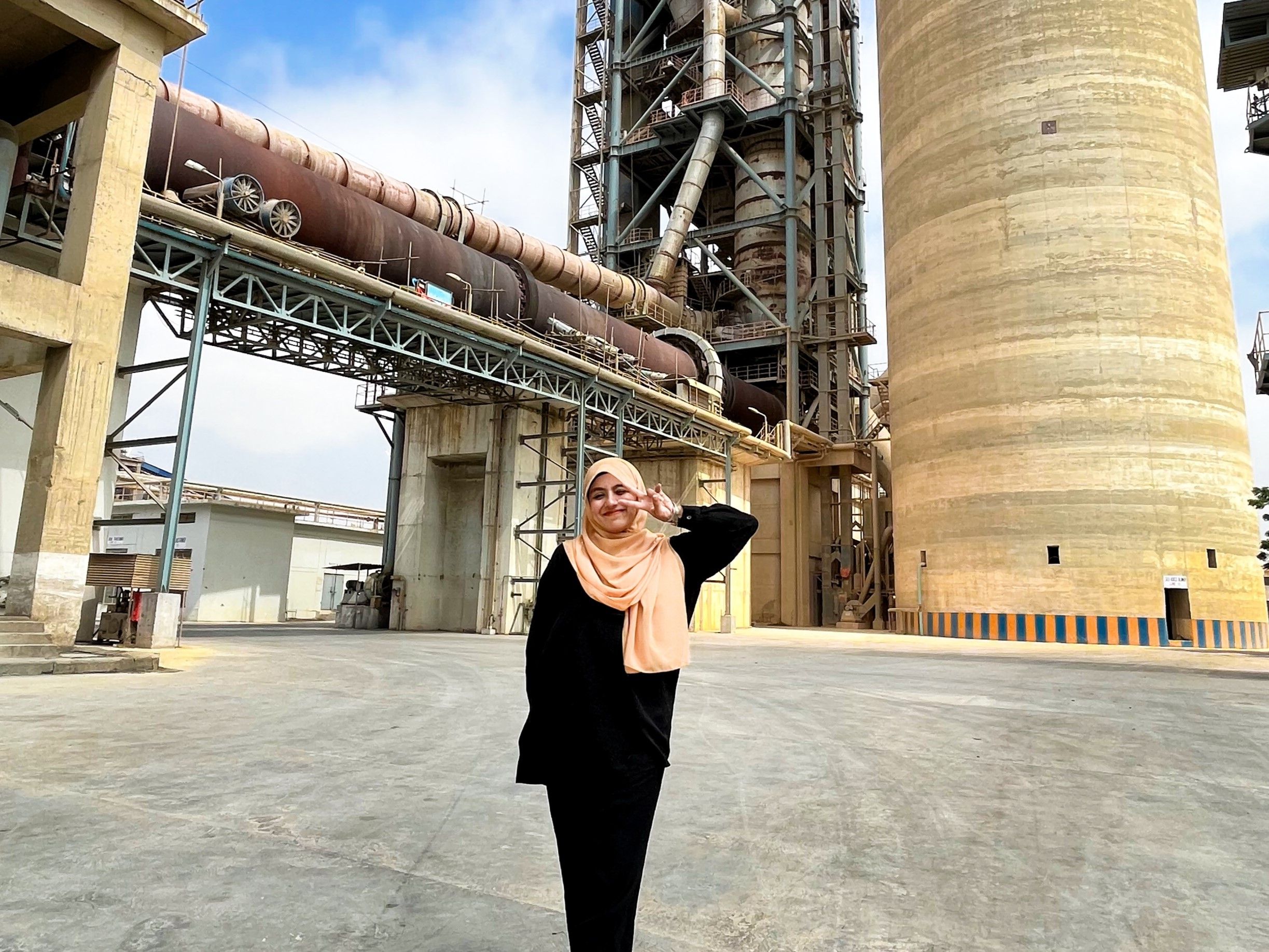
People who didn’t know me a few years ago rarely believe it when I say I’m not an extrovert. Every time that reaction comes up, “How? It really doesn’t seem like that”, it takes me back to these lines by two of my favorite people:
"We are preparing our generation only for employment. Employment is for life; life is not for employment.” – Aarfa Sayeda Zehra
"And the human race is filled with passion. And medicine, law, business, engineering, these are noble pursuits and necessary to sustain life. But poetry, beauty, romance, love, these are what we stay alive for.” – Captain Keating, Dead Poets Society.
Not because it gives me an answer, but because it reflects an unresolved dialogue, I keep having with myself. One shaped by choice, consequence, and a stubborn clarity about why I am here.
A long time ago, I had imagined my career as something inseparable from who I am. Something that would carry my values, my questions, my way of seeing the world. The kind of work rooted in my need for passion and meaning, chosen not for ease, but because life feels soulless without it.
For me, stories became that axis. Not just as a profession, but as a calling because stories allow me to touch meaning without naming it, to hold complexity without flattening it. But choosing stories also meant choosing people, intimacy, emotional exposure, and a social presence that does not come naturally to me.
Somewhere along the way, the question became how I manage to do all this, and perhaps the only honest answer is that it is my way of surviving what I love doing most.
Because loving something deeply does not always make it gentle. At my core, I need solitude, distance, space to breathe and process. I am not built for constant interaction. And yet, I reshaped myself deliberately into someone who could navigate social spaces, listen closely, and carry fragments of other lives forward, whether as personal truths or as brand narratives.
There are days when I wonder why I didn’t choose something easier, something that would let me remain untouched, but I cannot imagine doing anything else. Even when this work EXHAUSTS me, even when it feels like losing pieces of my life, it is also the only thing that keeps me feeling awake, oriented, and alive.
And this is where life and work blur. Not out of blindness, but out of devotion. I feel the price in the fatigue that follows intense human engagement, in the need to disappear after giving so much of myself away. Yet I continue, not because I am trapped, but because I am choosing consciously, even when the weight of that choice settles heavily on me.
Perhaps this philosophy isn’t about rejecting intense work, but about refusing unconscious sacrifice. I am not offering my life to work out of obligation or fear; I am offering parts of myself because this is the language through which I know how to live, how to connect, and how to make sense of the world.
Still, I am learning that sustaining life also means knowing when not to extract from myself endlessly, when to step back, when to withdraw, and when to let the storyteller rest.
So, though I live inside this tension between depletion and vitality, cost and calling, I know that this work both takes from me and gives me life at the same time.
A life where work does not own me, but where I also do not pretend it doesn’t ask something profound in return.